Key Takeaways
- UC San Diego Health cardiologist Antoinette Birs, MD, explains that women are more likely to develop HFpEF, a common form of heart failure that can be difficult to recognize.
- Pregnancy complications, cancer treatments and autoimmune diseases can raise long-term heart failure risk in women.
- Fatigue, shortness of breath, swelling and rapid weight gain may be early warning signs. Early identification can help slow disease progression and improve outcomes.
- Although women remain underrepresented in advanced heart failure care, new medications and advanced therapies are expanding treatment options.
Heart disease remains the number one cause of death among women in the United States and many remain unaware of the danger signs, which can range from fatigue to shortness of breath. Women are also subject to unique risk factors for certain types of heart failure, such as complications experienced during pregnancy, and, as women are often focused on care-giving for others, can miss early signs of heart failure and only seek treatment until they've reached the more advanced stages of the disease.
We've asked Antoinette Birs, MD, a board-certified cardiologist specializing in advanced heart failure at UC San Diego Health, questions about how to identify symptoms of heart failure sooner, when to seek care and why care at a health system with an advanced heart failure program can improve patient outcomes. She also discusses why women are often underrepresented in heart transplant and cardiac rehab programs, emphasizing that women should feel empowered to ask questions because, "the more women see themselves represented in heart care, the more comfortable they'll feel getting the care they need."

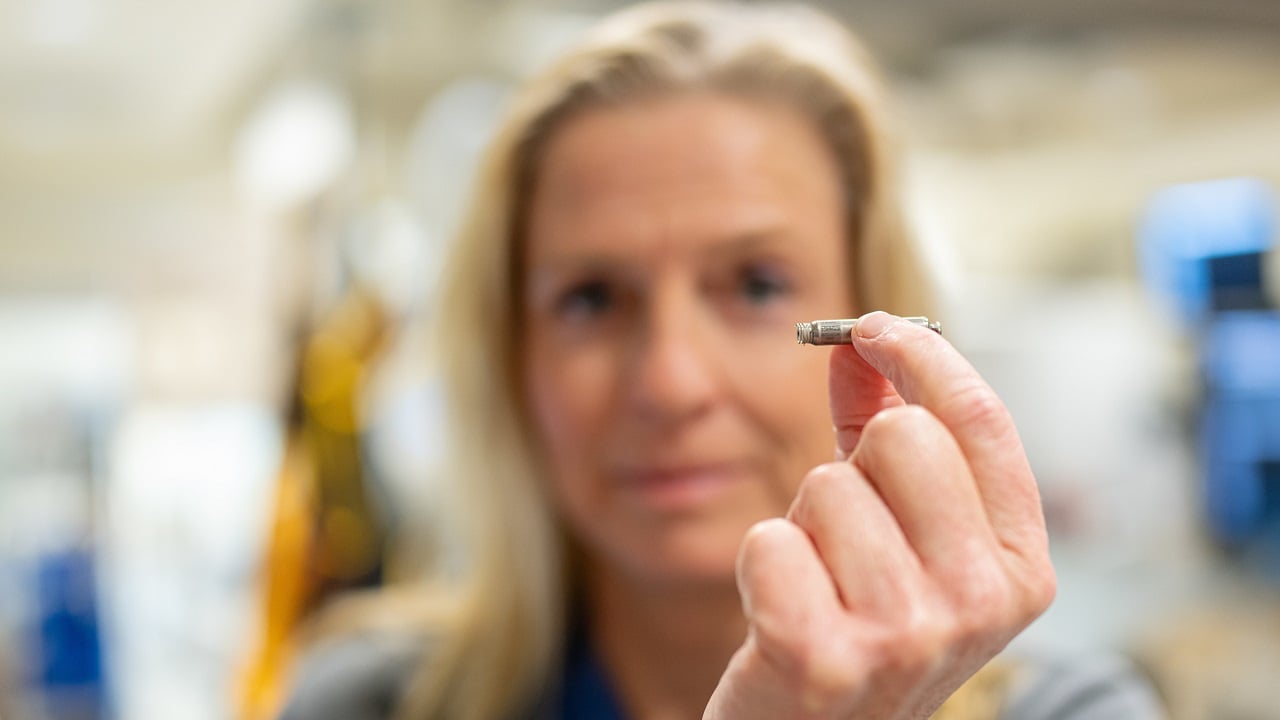
Antoinette Birs, MD, is a board-certified cardiologist specializing in advanced heart failure. Photo credit: UC San Diego Health
What is heart failure and how is it diagnosed? Are there different stages?
Heart failure is the inability of the heart to adequately pump blood to supply the tissues and major organs, such as the kidneys, liver and brain to meet the body's needs. This reduced blood flow to the organs can cause fluid to back up into the lungs, legs and abdomen.
There are two main types of heart failure. In heart failure with reduced ejection fraction, the heart muscle is weak and doesn't squeeze strongly or eject enough blood (a reduced or "low ejection fraction"). This is what most people picture when they hear "heart failure." In the second type, heart failure with "preserved ejection fraction" (HFpEF) or diastolic heart failure, the heart squeezes normally but is stiff and doesn't fully relax, which causes high pressures inside the heart and prevents adequate filling. HFpEF is especially common in women.
Diagnosis starts with listening to the patient's symptoms and a physical exam. From there, we'll order specific blood tests, an electrocardiogram (EKG) and an echocardiogram, which is an ultrasound of the heart. If the picture is unclear, an exercise stress test or a catheter measure of pressures inside the heart can confirm a diagnosis. We may also use cardiac MRI or a coronary catheterization to understand the underlying cause of heart failure.
We typically describe heart failure in four stages:
- Stage A means someone is considered at risk because of conditions like high blood pressure, diabetes, obesity or, in women, a history of pregnancy complications or certain cancer treatments.
- Stage B, sometimes called "pre-heart failure," means there are changes in the heart but no symptoms of heart failure yet.
- Stage C means symptoms of heart failure are present.
- Stage D is advanced heart failure that needs specialized therapies.
The earlier we identify someone being in one of these stages, the more time we have to try and slow or prevent progression to late stages.
How do signs of heart failure differ in women than in men?
The core symptoms are the same for everyone and include shortness of breath, fatigue, swelling in the legs or belly and shortness of breath when lying flat. Women are more likely to develop HFpEF, often later in life and often alongside high blood pressure, diabetes, obesity or atrial fibrillation.
Risk factors that are unique to women include complications during pregnancy, such as pre-eclampsia, gestational hypertension, gestational diabetes or preterm delivery, which can raise the risk of heart disease, including heart failure, later in life. Some women develop peripartum cardiomyopathy, a form of heart failure that appears late in pregnancy or in the months after delivery, often in women with no prior heart problems. Risk factors unique to women include early menopause, certain breast cancer treatments, like chemotherapy and radiation to the left side of the chest, and autoimmune conditions, like lupus and rheumatoid arthritis can, also play a role in the development of heart disease.
Many women tell us their main symptom is fatigue or simply not being able to do what they used to. Because these changes come on gradually, they're easy to blame on age, a busy life or being out of shape. Women are also often the caregivers in their families and may put their own symptoms last. Historically, women have been underdiagnosed and underrepresented in heart research and, as a result, they are often diagnosed in later stages. That's why I always encourage women to ask their doctor directly, "could this be my heart?"
While coronary artery disease is a leading cause of heart failure in both women and men, there are additional coronary conditions seen more commonly in women than men. Women more often have microvascular disease (disease of the heart's small blood vessels) that may not be easily seen on a coronary angiogram. They are also more likely to have coronary vasospasm (a temporary spasm or tightening of an artery that reduces blood flow) and spontaneous coronary artery dissection (SCAD), which is a tear in the coronary artery wall that most often affects younger women, including during or after pregnancy. These conditions can cause chest pain or heart attacks even when the arteries look normal and specialized testing may be needed to find them.
“The more women see themselves represented in heart care, the more comfortable they’ll feel getting the care they need.”
— Antoinette Birs, MD
Many symptoms of heart failure can be confused with stress, anxiety or even menopause. When is it time to see a cardiologist?
Stress, anxiety and menopause symptoms have real overlaps with heart failure symptoms, and they're one reason heart failure in women can be missed. A few clues point more toward the heart:
- Shortness of breath with activities that used to be easy
- Needing extra pillows to prop oneself up or waking up at night short of breath
- Swelling in the ankles, legs or abdomen
- Quick weight gain of 2 to 3 pounds in a day or 5 pounds in a week, which usually means fluid collecting rather than fat
- A persistent cough, a racing or irregular heartbeat or feeling lightheaded may also be clues to underlying heart issues
Hot flashes and night sweats from menopause may cause a sensation of shortness of breath, but don't typically cause persistent leg swelling or breathlessness upon lying flat. Some patients may also be misdiagnosed as having recurrent colds, bronchitis or "walking pneumonia," when the real cause is fluid in the lungs. Repeated episodes like this can be a red flag signaling heart dysfunction.
If you notice these symptoms, start with your primary care doctor, who can do an exam and order basic tests, typically an EKG and an echocardiogram. A referral to a cardiologist makes sense if any of the tests are abnormal, or if symptoms keep getting worse or are unexplained. Be sure to mention any pregnancy complications and cancer treatments, even if decades ago.
Because women go through unique physiologic changes over their lifetimes, a comprehensive care team is important. From heart conditions during and after pregnancy to the changes of menopause, a woman's body undergoes significant hormonal and physiologic shifts, and experts in women's heart health are key to guiding patients through their care. At UC San Diego Health, we have specialists ranging from cardio-obstetrics to cardio-oncology who work together to provide comprehensive care for women.

How is heart failure treated?
Treatment has advanced a great deal in the past decade, and many people with heart failure go on to live full, active lives. Treatment depends on the underlying causes of disease. For some patients that may mean taking a targeted medication for their specific disease, as with cardiac amyloidosis, others with coronary artery disease may require stents or bypass surgery and some may need a valve repair or replacement.
Generally speaking, there are two main approaches for managing patients with heart failure: lifestyle and medication therapy. Lifestyle modification is a major factor that includes limiting salt intake, staying active, keeping blood pressure, cholesterol and blood sugar under control, avoiding tobacco — this includes vaping — and limiting alcohol consumption. Weighing yourself daily helps catch fluid buildup early.

The Step Family Cardiac Rehabilitation and Wellness Center offers exercise and education programs to support patients with heart disease. Photo credit: UC San Diego Health
Supervised exercise and education programs like the one offered at the UC San Diego Health Step Family Cardiac Rehabilitation and Wellness Center can improve strength and quality of life. Unfortunately, women are referred to cardiac rehab programs less often than men, partly because their symptoms can be attributed to other causes. When they are referred, women may face practical barriers for getting to rehab as they are often the primary caretaker for a spouse, parent or child and these responsibilities may preclude ease of participation. Lastly, some may feel out of place in classes that are mostly made up of men. But these factors shouldn't discourage women from entering cardiac rehab if they qualify, and I highly encourage women to speak to their doctors about it.
For patients with a weakened heart muscle, we use a combination of medications that work together to help the heart recover, reduce hospital stays and help patients live longer. For patients with HFpEF there have historically been fewer proven medications, but newer medications have come out that is changing the treatment landscape. SGLT2 inhibitors reduce hospitalizations, and finerenone, a newer medication in the same family as spironolactone, reduces worsening heart failure. For patients with obesity, GLP-1-based medications, such as semaglutide and tirzepatide improve symptoms and exercise capacity and may reduce heart failure events. Treating high blood pressure and atrial fibrillation also matters. For some patients with unique genetic disorders, clinical trials are available at UC San Diego Health offering possible treatment options.
For patients with end-stage disease, we offer left ventricular assist devices (LVAD), a mechanical pump that supports the heart, and heart transplantation. While women account for more than half of heart failure deaths, they make up only about 21% of LVAD recipients and 25% of the heart transplant waiting list. Part of the reason is that women are often referred to advanced heart failure specialists at later stages of disease. Understanding why women are less likely to receive these advanced therapies, and how to close that gap, is an active area of research, including here at UC San Diego Health. If you have advanced heart failure, ask your doctor whether a referral to an advanced heart failure specialist is right for you.
UC San Diego Health is one of the largest heart transplant programs in California. Our Center for Transplantation has been caring for patients since 1989, and offers combined heart-lung, heart-liver and heart-kidney transplants. We strive to evaluate each patient individually and encourage all patients to talk to their doctors about the most appropriate treatment plan.
Nationally Recognized Heart Care When It Matters Most
When heart failure becomes more severe, choosing the right care team matters. We provide the full spectrum of advanced heart failure care, from specialized medical therapies and mechanical circulatory support to cardiac surgery, heart transplant and clinical trials.
Advanced Heart Failure Heart Care Heart Transplant Cardiac Rehabilitation and Wellness
Advanced Heart Failure Heart Care Heart Transplant Cardiac Rehabilitation and Wellness