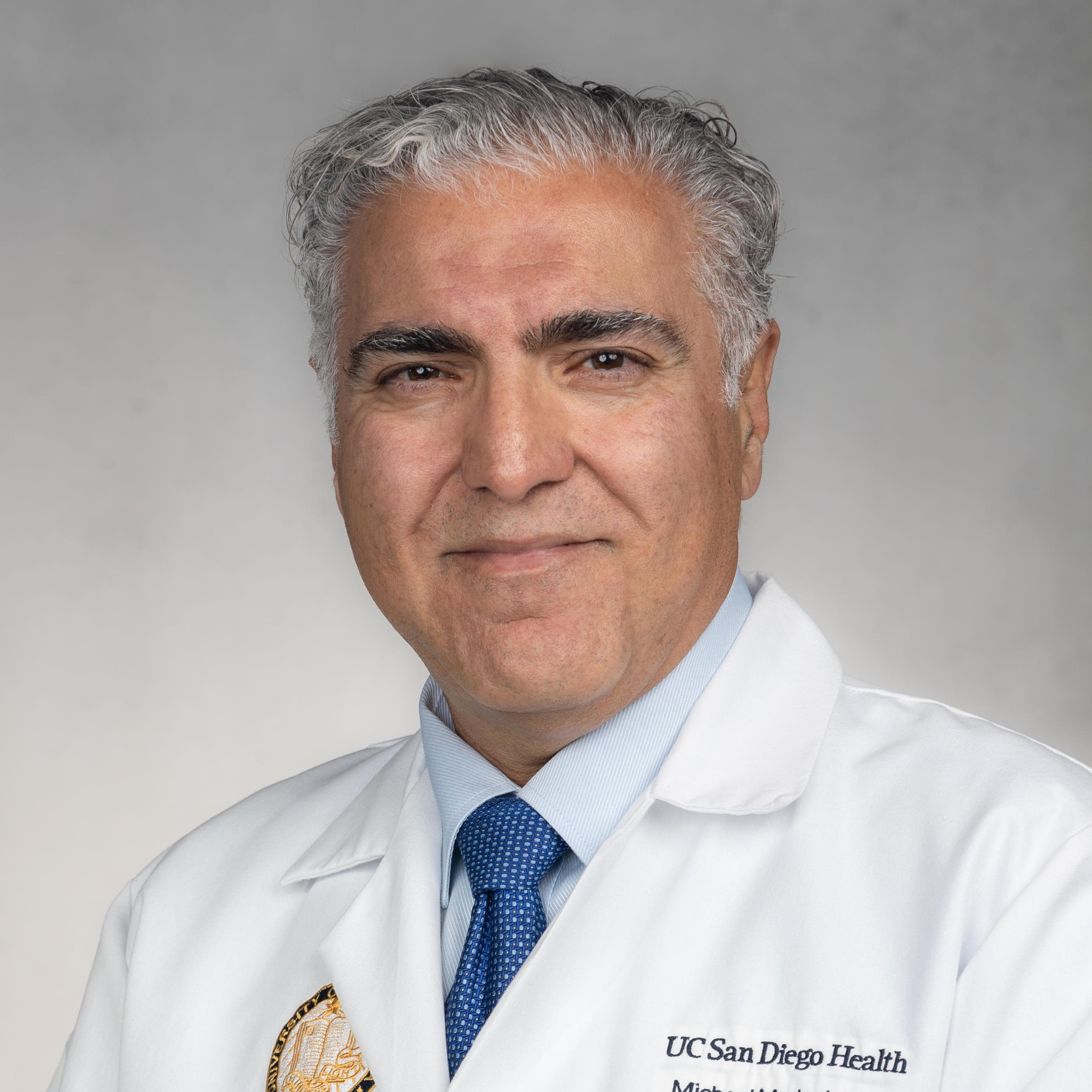
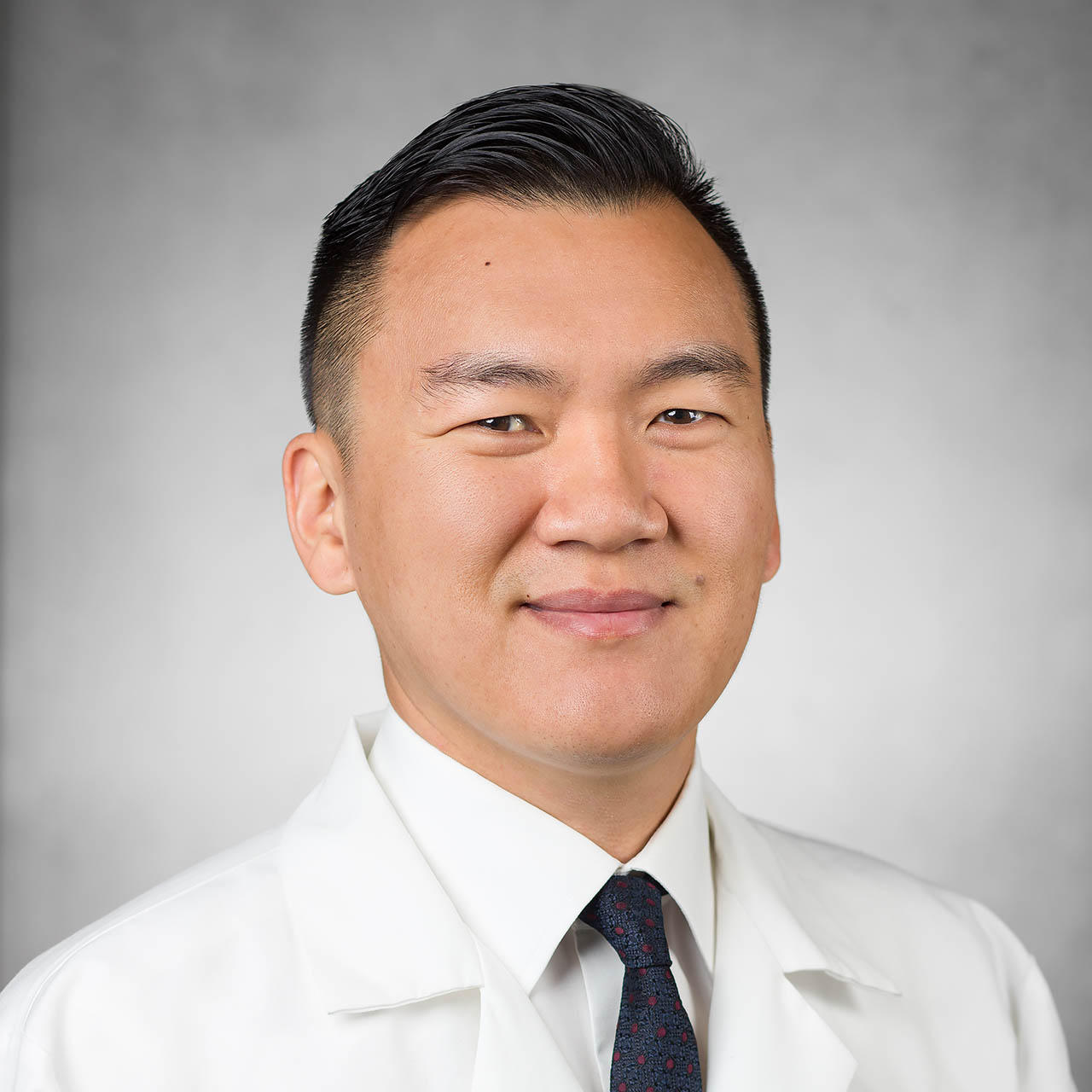
Michael M. Madani, MD, FACS
- Cardiothoracic and Vascular Surgeon
- Division Chief, Cardiovascular and Thoracic Surgery
- Executive Director, Surgery - Cardiovascular Institute
- Professor of Surgery
- John G. Pickard Chair in Cardiac Surgery
UC San Diego Health is a global leader in the diagnosis, treatment and research of pulmonary hypertension.
We specialize in all types of pulmonary hypertension, including pulmonary arterial hypertension (PAH) and chronic thromboembolic pulmonary hypertension (CTEPH). Our comprehensive CTEPH program receives referrals from around the globe and treats more patients than any other center in the world. We offer all types of available medical and surgical treatments, including pulmonary thromboendarterectomy (PTE) surgery, balloon pulmonary angioplasty (BPA), and pulmonary hypertension medical therapy.


Pulmonary hypertension (PH) is high pressure in the blood vessels that carry blood into the lungs. This can strain the arteries in the lungs and the right side of the heart and lead to serious problems.
Pulmonary hypertension can get worse with time, so it's important to accurately identify the cause as soon as possible. Newly diagnosed patients need a pulmonary hypertension specialist who can develop a customized treatment plan and monitor the response.
Symptoms of pulmonary hypertension may come on suddenly or occur slowly over time. Signs of pulmonary hypertension can include:
These signs of pulmonary hypertension may be misdiagnosed as another condition. If you suspect you may have pulmonary hypertension, schedule an evaluation with our team of experts.
Pulmonary hypertension is most often caused by another health condition, known as secondary PH. In many cases, treating this underlying condition can help prevent or manage pulmonary hypertension. Some of the most common causes of pulmonary hypertension in adults are:
A WHO group refers to the five broad categories of pulmonary hypertension as defined by the World Health Organization (WHO). These groups are based on the underlying cause of pulmonary hypertension:
Diagnosing pulmonary hypertension can be difficult because many of its signs and symptoms are similar to other heart or lung diseases, like coronary artery disease, asthma and COPD.
In many cases, our specialists at UC San Diego Health correct a previous diagnosis, finding one form of pulmonary hypertension when another has been assumed or when the patient has been living with a misdiagnosis. A correct diagnosis is critical for successful outcomes.
The following tests may be used to evaluate the cause of pulmonary hypertension:
Treatment for pulmonary hypertension can vary significantly, depending on the type of PH. Secondary PH, which is more common, requires treatment of the underlying heart or lung condition. PAH and CTEPH are less common and need specific treatments, including pulmonary thromboendarterectomy (PTE) and/or balloon pulmonary angioplasty (BPA) for CTEPH and a combination of medical therapies for PAH. Lifestyle changes can also help treat some types of pulmonary hypertension and improve quality of life and outcomes when paired with other treatments.
If pulmonary hypertension does not respond to treatment, a lung transplant may be recommended.
UC San Diego Health is a pioneering center and global leader in care for chronic thromboembolic pulmonary hypertension (CTEPH).
Pulmonary arterial hypertension (PAH) — WHO group 1 pulmonary hypertension — is a progressive, life-threatening disorder characterized by high pressure in the arteries that bring blood to the lungs from the right side of the heart. The arteries become narrowed or blocked, raising right heart pressure and weakening the heart.
Without effective treatment, this condition can progress to right-sided heart failure and cause premature death.
The earlier a definitive diagnosis of PAH is made, the more therapies are available. Early diagnosis and treatment help avoid the need for escalating therapies, such as complex intravenous medications or lung transplantation.
PAH therapy aims to improve symptoms and quality of life and prevent right-sided heart failure and premature death. Current medications for PAH vary by therapeutic target and how each drug is delivered (pills, inhaled, periodic injections, continuous infusion).
UC San Diego Health is a hub for advanced therapies for pulmonary arterial hypertension (PAH). We have been involved in all major clinical trials leading to current FDA-approved PAH therapies. Today, we remain engaged in clinical trials examining new and improved treatments for PAH and other forms of pulmonary hypertension. We have a team of PH-expert nurses, dedicated pharmacists and research coordinators who help our specialists to manage each patient's condition.
Our pulmonary vascular specialists use all PAH therapeutics to determine the best treatment for you. Our follow-up services are individualized, depending on your response to treatment. If PAH does not respond to treatment, we work closely with our lung transplantation program for evaluation and placement on the transplant list.
Although there is not yet a cure for pulmonary hypertension, treatment and healthy habits can help you feel better and stay active.
Living with pulmonary hypertension can be challenging, not just physically, but emotionally too. You might feel overwhelmed, anxious or frustrated at times. That's normal.
You're not alone. Support is available through:
Your care team is here to support you every step of the way. We encourage you to ask questions and share any concerns.
With the right care plan, pulmonary hypertension can be managed so you can live an active and fulfilling life.
Our multidisciplinary team, led by expert faculty in pulmonary vascular medicine, is happy to provide second opinions on your diagnosis or treatment plan. We specialize in complex conditions and can evaluate your options, including surgeries or therapies not available at all hospitals.
To schedule a second opinion with pulmonary vascular medicine, call 858-657-7100.
See heart care locations conveniently located around San Diego County.

UC San Diego Health registered dietitian answers commonly asked questions about how to eat right for heart health — including healthy swaps and a recipe.
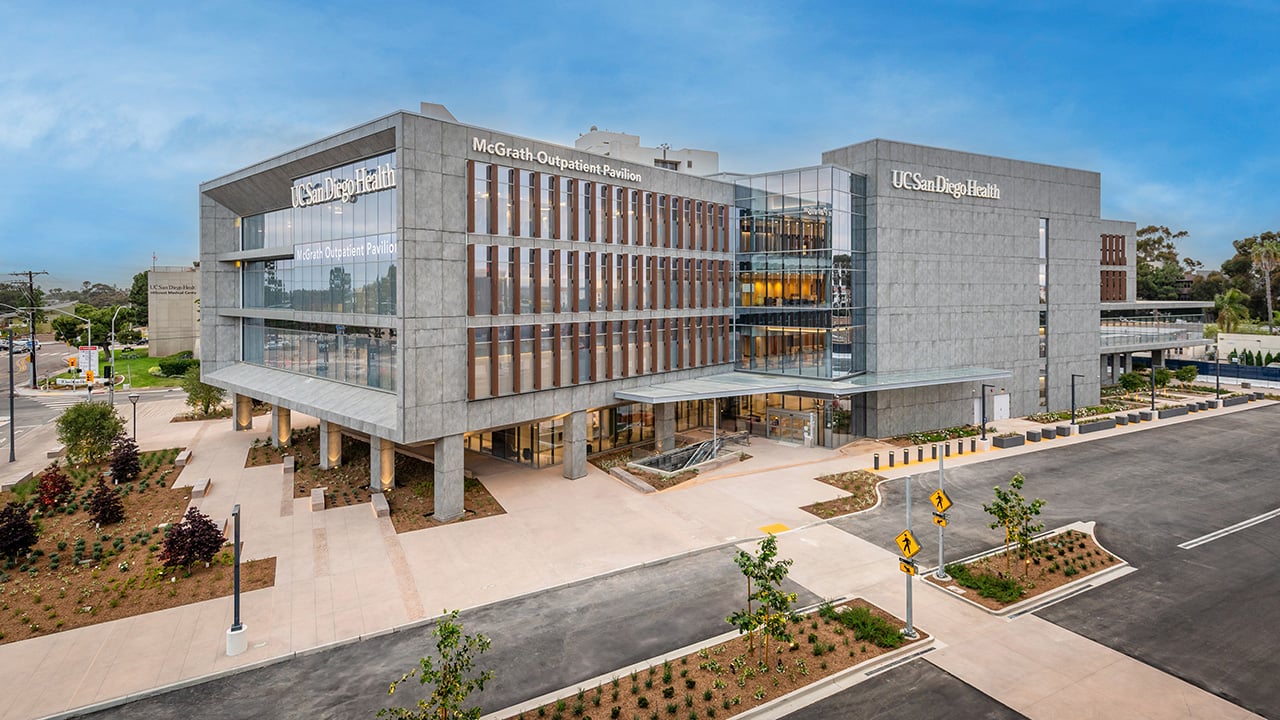
McGrath Outpatient Pavilion opens at UC San Diego Health, expanding access to advanced specialty care, surgery and cancer treatment in Hillcrest.
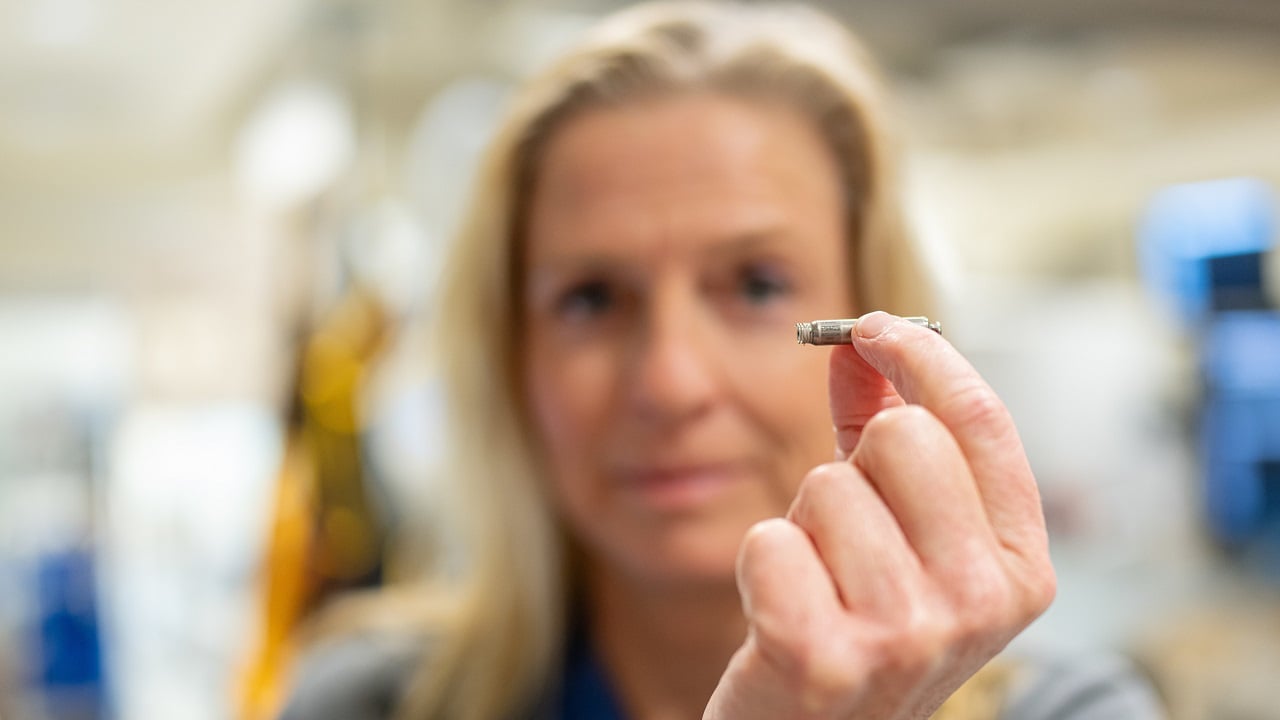
UC San Diego Health heart specialists treat over 1,000 people each year with pacemakers or ICDs, offering expert care for heart rhythm disorders.